How to Keep Your Wallpaper Looking Fresh: A Simple Care Guide

So, you’ve taken the plunge and dressed your walls in something stunning – bravo! But now you’re wondering, how do I keep this beauty in great condition? Don’t worry, we’ve got you covered. Whether you’ve gone for a bold print or a subtle texture, this guide will help you maintain your wallpaper’s charm for years to come.

Why Dusting Matters
Just like your furniture, wallpaper can collect dust. Over time, this can dull its vibrant colors and intricate patterns. Regular dusting is the easiest way to keep your wallpaper looking its best.
How to Dust:
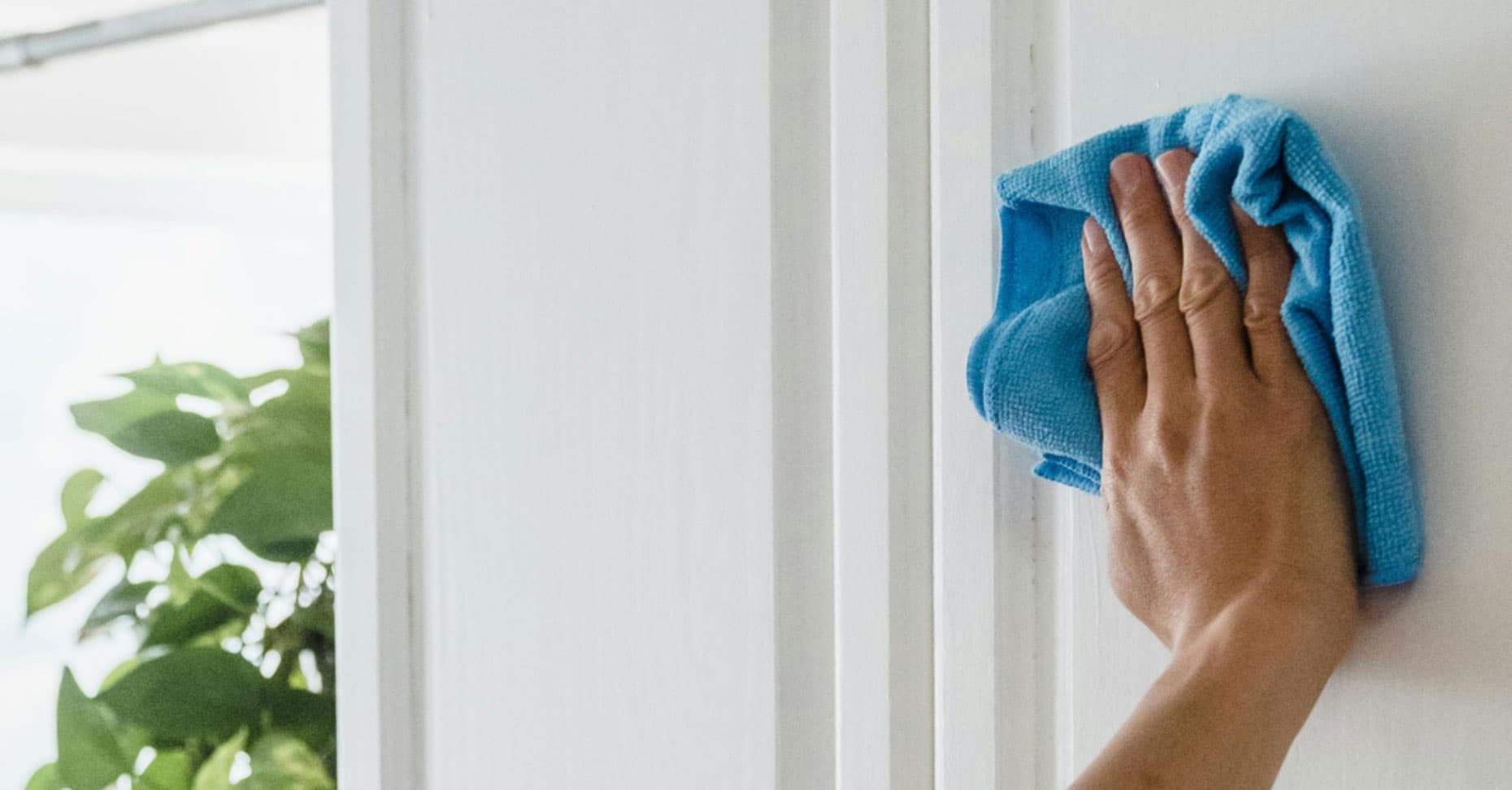
Soft Touch: Use a microfiber cloth or a soft-bristle duster to gently sweep away dust. Start from the top of the wall and work your way down to avoid spreading dust.
Vacuuming: For textured wallpapers, a vacuum with a brush attachment can help remove dust from those nooks and crannies without damaging the surface.
Corners and Edges: Don’t forget the corners and edges where dust tends to accumulate. A gentle once-over every few weeks should do the trick.

Photos from: @kiki_designstudio
When Spot Cleaning is Necessary
Accidents happen – fingerprints, spills, and marks are inevitable, especially in high-traffic areas like hallways and living rooms. The key is to address them quickly.
How to Spot Clean:
Gentle Solutions: Mix a small amount of mild dish soap with warm water. Dip a soft sponge or cloth into the solution, wring it out well, and gently blot the stained area. Avoid rubbing, as it can spread the stain or damage the wallpaper.
Blot, Don’t Scrub: Always blot the area with a clean, dry cloth after cleaning to remove excess moisture.
Test First: Before you start cleaning, test your solution on a hidden area of the wallpaper to make sure it doesn’t cause any discoloration or damage.
For tough Stains: Use baking soda and cleaning vinegar to make a paste, dip a soft sponge or cloth into the paste, and gently scrub the wallpaper (there’s an exception to every rule).
Why Moisture is the Enemy
Moisture is one of wallpaper’s biggest foes. It can cause the paper to peel, bubble, or even mold – yikes! Keeping your wallpaper dry is crucial, especially in areas like bathrooms and kitchens.
How to Prevent Moisture Damage:
Ventilation is Key: Make sure rooms with wallpaper are well-ventilated, especially in areas prone to humidity. Consider using a dehumidifier in particularly damp spaces.
Wipe Away Splashes: In areas like kitchens or bathrooms, where splashes are common, be quick to wipe away any moisture with a dry cloth.
Protective Coatings: In high-moisture areas, consider applying a wallpaper-friendly, clear sealant. This can add an extra layer of protection against moisture.

Why Sunlight Fades Wallpaper
Prolonged exposure to direct sunlight can cause wallpaper colors to fade over time. This is especially true for vibrant, bold patterns and colors.
How to Protect Against Fading:
Curtains and Blinds: Use curtains or blinds to block out strong sunlight during the brightest parts of the day. This not only protects your wallpaper but also keeps your room cool.
UV Film:
Consider applying UV-blocking windows or add a film. It’s a great way to protect your wallpaper and furniture without sacrificing natural light.
Rotate Furniture:
If your wallpaper is exposed to sunlight, occasionally rearrange your furniture to prevent uneven fading.


