The Art of Accessorizing: What Works and What to Skip

Interior Design Tips for the Bold, the Baffled, and the Beltway Chic
Let’s be honest. Accessorizing your home is a bit like dressing up a salad. Too few toppings and it’s boring. Too many and suddenly your romaine is buried under a chaotic pile of candied walnuts, crumbled bacon, and something suspiciously neon. The same goes for interior design—especially in style-savvy, statement-making hubs like Washington D.C., Baltimore, and Northern Virginia, where everyone from diplomats to dog walkers has opinions about throw pillows.
So how do you find that oh-so-tricky balance between a curated space and a cluttered mess? How do you express your personality without your home screaming, “I got lost in the clearance aisle at HomeGoods”?
Welcome to the wild, whimsical world of home accessorizing, DMV-style. Buckle up, buttercup—we’re diving into what works, what doesn’t, and how to avoid giving your living room the same vibe as your Aunt Carol’s crystal unicorn collection (no offense to Carol).
From @miladeshtiyaghi on Instagram
Pillows with Purpose
D.C. homes are often classic and composed, like the city itself. But a few well-placed pillows can take your space from “diplomatic function” to “come in and stay awhile.” Think texture, contrast, and restraint.
Do: Mix textures like velvet and linen in a complementary palette.
Don’t: Treat your sofa like a clown car for pillows. If guests have to excavate just to sit down, you’ve gone too far.
Local Tip: In Georgetown, you’ll find boutique stores offering handcrafted pillow covers made from recycled sari fabric or vintage kilims. These are conversation starters and couch warmers.

From @aflores.design on Instagram
Books: The Smartest Accessory
Books aren’t just for reading (although, go you if you actually read them). They’re fantastic visual elements, especially if they hint at your personality or profession.
Do: Stack art books, travel guides, or cookbooks with eye-catching spines on coffee tables or shelves.
Don’t: Decorate with fake books. Yes, they exist. Yes, they are tragic.
Design Tip: A few worn novels from Baltimore’s The Book Thing (free books!) can bring soul and story to a sterile shelf.
From @hudsonandcrane on Instagram
Art That Doesn’t Apologize
Art should make you feel something. Hopefully, not regret. Whether you’re into abstract explosions or subtle sketches, go big or go meaningful.
Do: Hang one large piece over the sofa or create a mini-gallery wall with cohesive frames.
Don’t: Frame that inspirational quote in swirly script unless it’s ironic. “Live Laugh Love” had its moment—in 2008.
Regional Flair: Check out Baltimore’s Station North Arts District or D.C.’s Eastern Market for pieces by local artists. You’ll support the creative economy and avoid mass-produced monotony.

From @inmimisgarden on Instagram
Plants: The Quiet MVPs
You don’t need to become a plantfluencer, but a fiddle-leaf fig or even a humble pothos can breathe life into a room (literally and figuratively).
Do: Use greenery to soften harsh lines or sterile corners.
Don’t: Go full jungle unless you also plan on acquiring a machete.
Fun Fact: Northern Virginia’s Merrifield Garden Center has a houseplant selection that could make Tarzan weep.
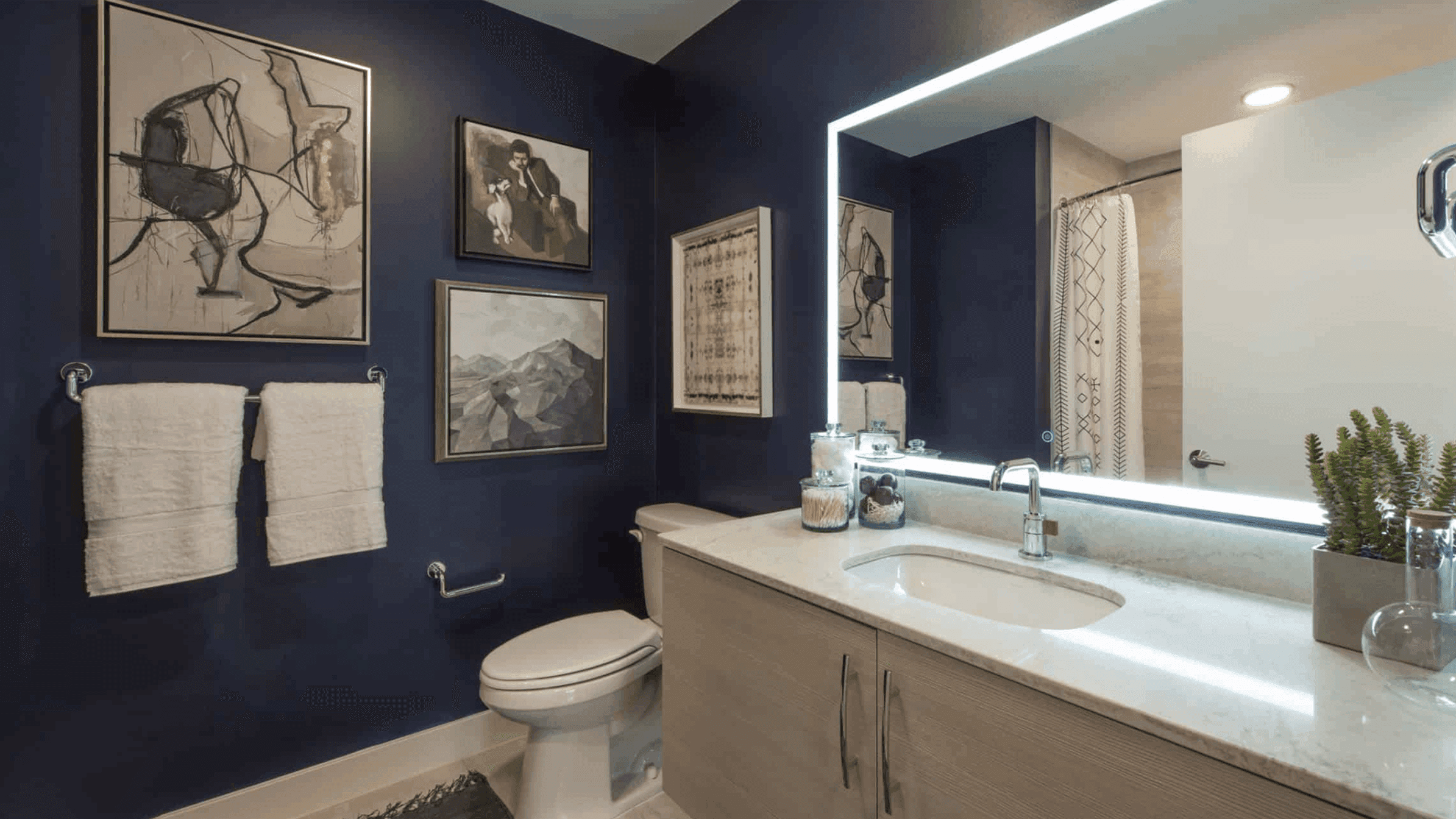
From Hudson & Crane Design Gallery
Mirrors That Reflect More Than Light
Mirrors add dimension, bounce light, and make any home feel bigger. They’re also handy for confirming whether your new accessories match your outfit before hosting a book club.
Do: Place mirrors across from windows to double the daylight.
Don’t: Cover every wall like a 1980s nightclub. Unless you’re actually designing a nightclub.

