The Do’s and Don’ts of Mixing Patterns in Home Decor

(Or: How to Look Collected, Not Confused)
There’s a fine line between a home that feels layered, interesting, and thoughtfully designed—and one that feels like your throw pillows staged a small but determined rebellion.
That line? Pattern mixing.
Done well, mixing patterns adds depth, personality, and a sense that your home didn’t arrive in a single shipment. Done poorly, it can feel… visually loud. Like five conversations happening at once and none of them making eye contact.
For East Coast professionals—particularly in Washington, DC, Baltimore, and Pennsylvania, where homes often blend historic architecture with modern living—pattern mixing is an opportunity. It’s how you introduce richness and character without sacrificing polish.
The goal isn’t perfection. It’s intentionality.
Let’s get into it.
If your space feels “nice but flat,” chances are it’s missing pattern.
Patterns:
Add movement and visual interest
Create contrast without relying solely on color
Bring softness to structured, modern interiors
Help a space feel collected rather than staged
In high-end interiors, patterns are rarely overwhelming—but they’re almost always present.
Think of them as the supporting cast. Not the star, but absolutely essential.

Before you mix patterns, you need a shared language—and that language is color.
A cohesive palette:
Keeps patterns from clashing
Creates visual flow across a room (or entire home)
Allows variety without chaos
A good formula:
1–2 base neutrals
2–3 complementary colors
1 grounding tone (black, navy, deep green, etc.)
If your patterns all pull from this palette, they’ll naturally feel connected—even if their styles differ.
This is the difference between “eclectic” and “what is happening here.”

One of the most important rules of pattern mixing is scale variation.
You want a mix of:
Large-scale patterns (bold florals, wide stripes)
Medium-scale patterns (geometrics, classic prints)
Small-scale patterns (tight repeats, subtle textures)
Why it works:
If everything is the same size, patterns compete. When scale varies, they complement.
For example:
Large patterned rug
Medium patterned pillows
Small patterned accent (like a throw or ottoman)
It creates hierarchy—and your eye knows where to go.
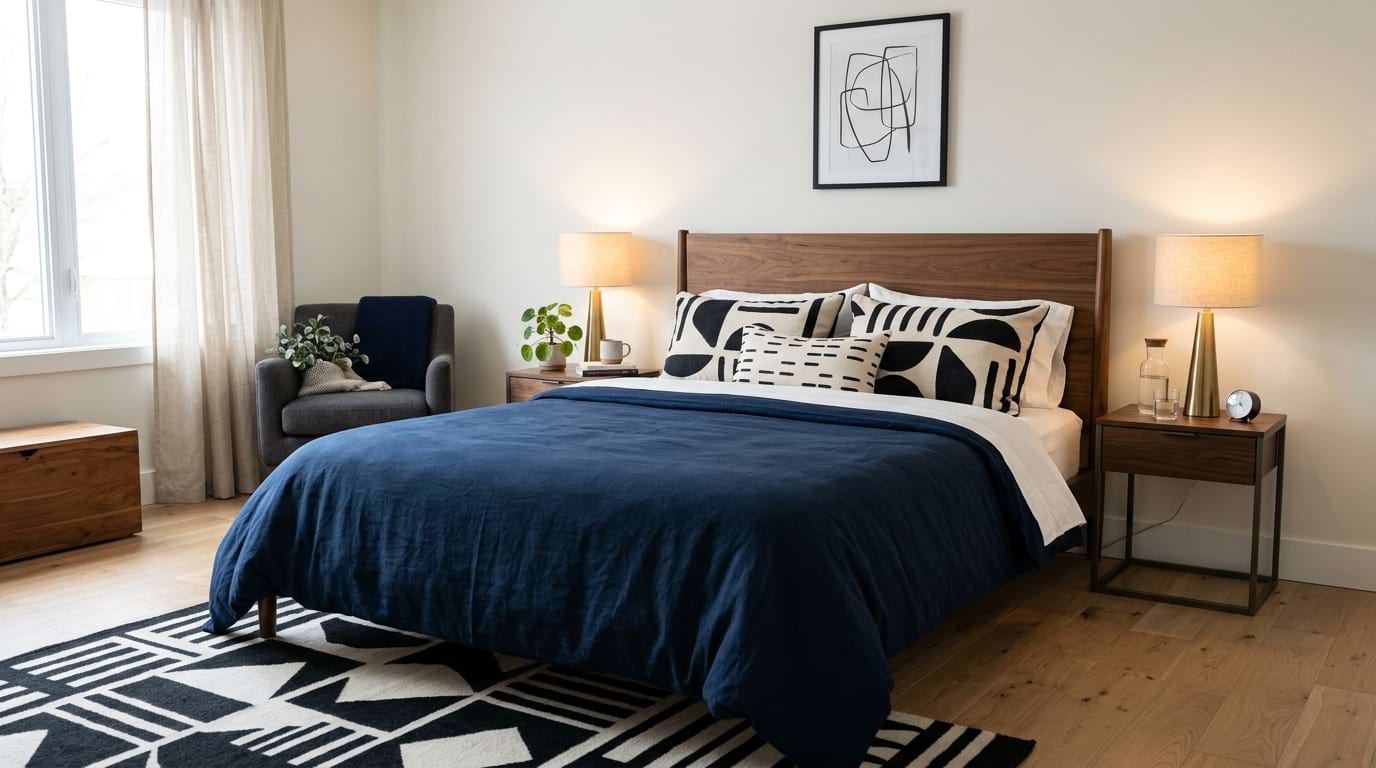
Not all patterns are created equal.
To create a layered, sophisticated look, mix different types of patterns:
Organic (florals, botanicals)
Geometric (stripes, grids, chevrons)
Abstract (painterly, modern prints)
Classic (plaid, toile, herringbone)
Combining these adds dimension and prevents your space from feeling overly themed.
A room with only geometric patterns can feel rigid. One with only florals can feel overly traditional. Together? Balanced.

Patterns need space to shine.
Without solids, a room can feel busy—even if each individual piece is beautiful.
Use solid elements to:
Break up patterns
Anchor the space
Give the eye a place to rest
Think:
Solid sofa with patterned pillows
Patterned rug with neutral furniture
Patterned chairs with a solid wall color
In design, restraint is often what makes everything else look intentional.

If mixing patterns feels intimidating, start with low-commitment pieces:
Throw pillows
Blankets
Rugs
Accent chairs
These are easy to swap out if something doesn’t quite work—and they allow you to experiment without redesigning the entire room.
You don’t need to commit to patterned wallpaper on day one. (And honestly, no one should.)

Matching patterns exactly—or buying everything from the same collection—can make a space feel flat and predictable.
Instead:
Coordinate, don’t duplicate
Look for patterns that complement rather than mirror each other
Your home should feel curated over time, not installed in an afternoon.
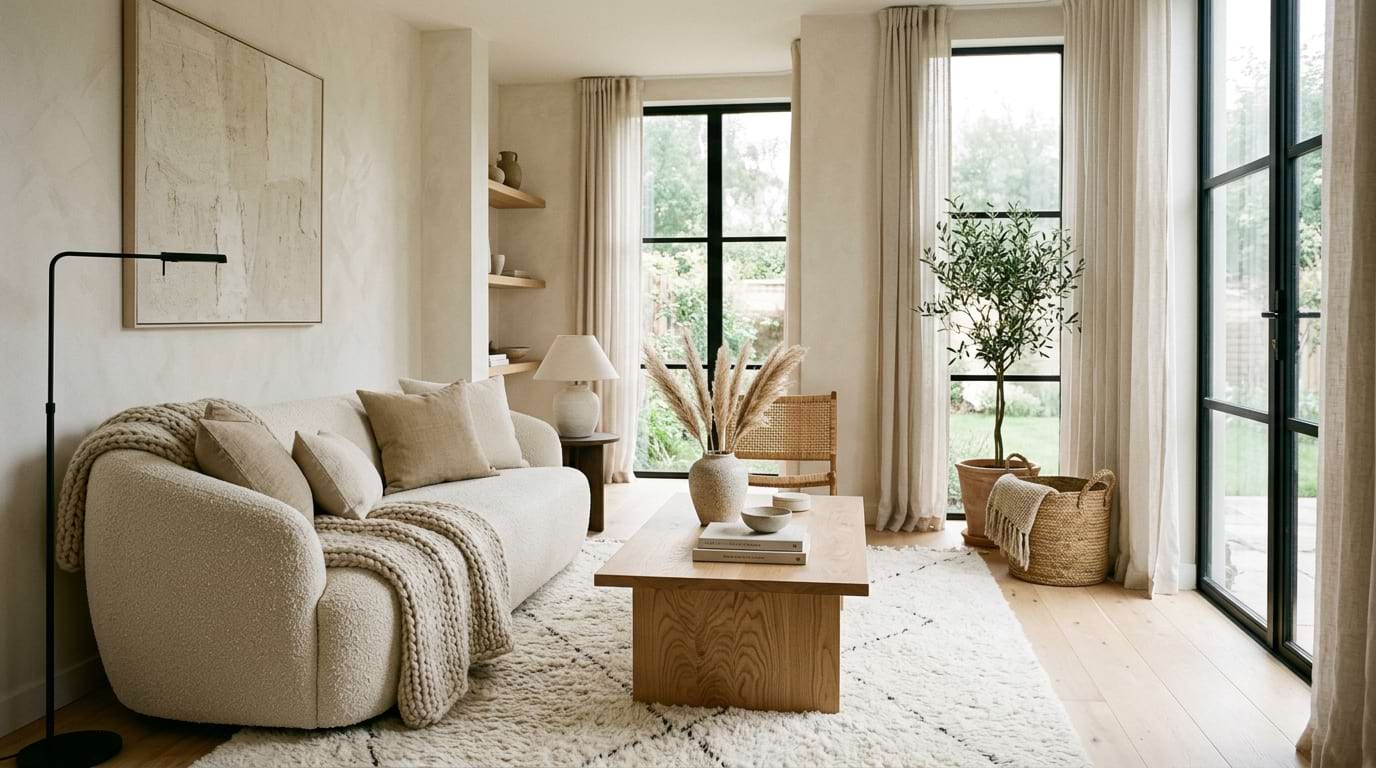
Here’s a secret: texture functions like pattern.
Even if you’re hesitant to mix bold prints, you can create depth with:
Bouclé
Linen
Velvet
Woven materials
Wood grain
These subtle variations add interest without visual noise.
In many high-end interiors, texture does most of the heavy lifting—while bold patterns play a supporting role.
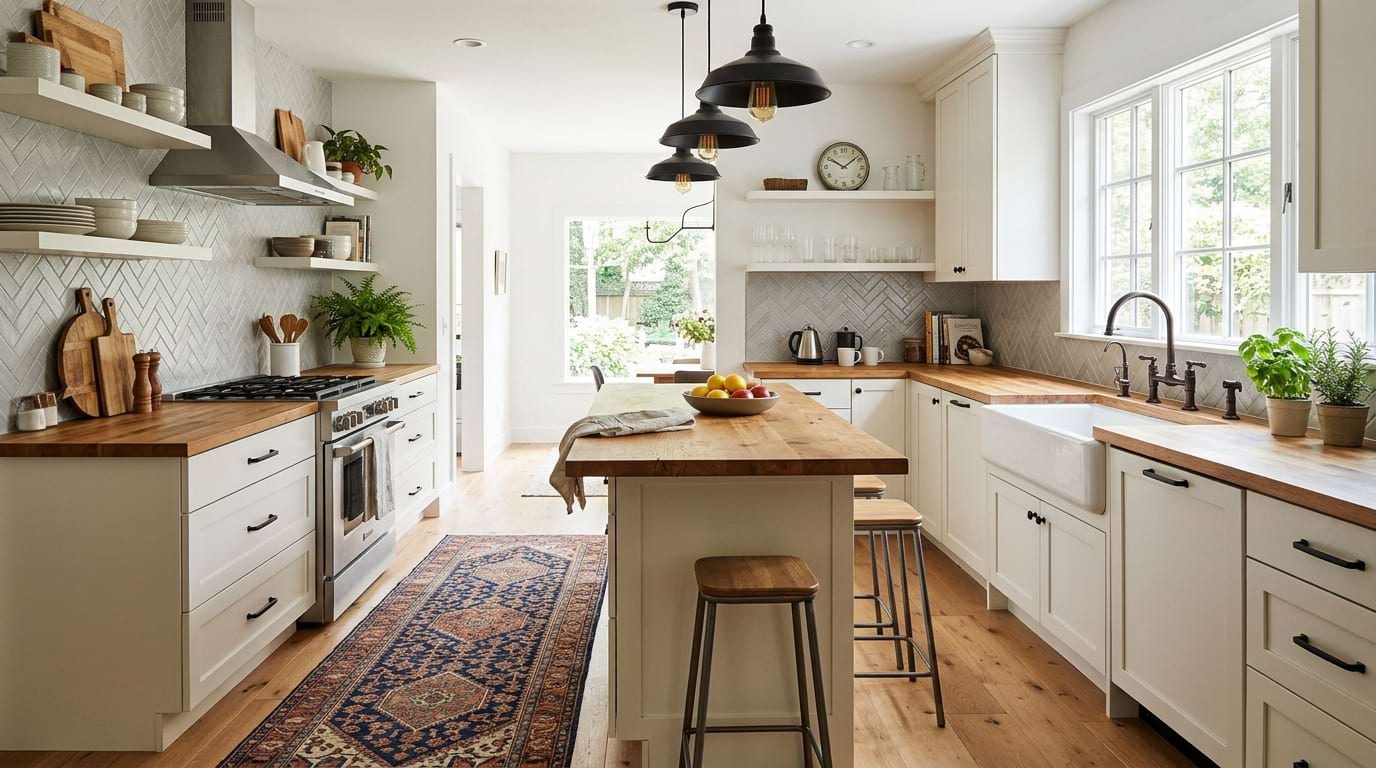
Just because you can mix patterns doesn’t mean every item needs one.
Avoid:
Patterned rug + patterned sofa + patterned curtains + patterned walls + patterned chairs
That’s not layering. That’s chaos.
Instead, choose a few key moments:
Rug
Pillows
One or two upholstered pieces
Then let the rest of the room support those choices.

In East Coast homes—especially older ones—the architecture often brings its own visual complexity:
Moldings
Fireplaces
Built-ins
Window details
If the room already has strong architectural elements, you may need less pattern, not more.
Let the bones of the home guide your decisions.

If you’re unsure where to start, try this:
One large patterned rug
Two to three patterned pillows (different scales)
One additional patterned element (chair, ottoman, or curtains)
Everything else in complementary solids or textures
It’s balanced, layered, and very difficult to mess up.
Yes, bold pattern mixing is trending. No, that doesn’t mean it belongs everywhere.
Ask yourself:
Does this reflect my style?
Will I still love this in a year?
Does it work with the rest of my home?
Timeless design always wins over trend-driven choices—especially in spaces you live in every day.

Mixing patterns well isn’t about following rigid rules—it’s about understanding balance.
When done right, your space feels:
Collected, not cluttered
Interesting, not overwhelming
Elevated, not overdesigned
For East Coast professionals who appreciate both style and structure, pattern mixing offers the best of both worlds: creativity with a clear point of view.
Because the goal isn’t to impress people with how many patterns you used.
It’s to make them feel like everything just… works.
Hudson & Crane is an interior designer in Washington, D.C. serving residential clients in D.C., Maryland, and Northern Virginia.

