Vintage Revival: Incorporating Retro Pieces into Modern Interiors

At some point in adulthood—usually right after you start caring about throw pillows—you realize that ultra-modern spaces, while beautiful, can feel a little… sterile. Like a luxury hotel lobby where you’re afraid to sit down.
Enter the vintage revival.
Incorporating retro pieces into modern interiors is the design equivalent of adding a well-worn leather briefcase to a tailored suit. It brings warmth, personality, and a sense that someone interesting lives here.
And for East Coast professionals juggling demanding careers, historic architecture, and a healthy appreciation for things that last, vintage design just makes sense.
The trick is doing it well—without your home feeling like a flea market exploded or a museum forgot to update its exhibits.
Let’s talk about how to blend old and new in a way that feels intentional, elevated, and (most importantly) livable.

Modern design is clean, efficient, and visually calm. Vintage design is expressive, layered, and full of stories. Together? Magic.
Vintage pieces:
Add warmth to sleek spaces
Introduce texture and patina
Break up the sameness of mass-produced furniture
Make your home feel collected, not catalog-ordered
For homes in DC, Baltimore, and across Pennsylvania—where historic rowhomes, colonials, and converted apartments are common—vintage elements often feel right at home. They honor the past while coexisting beautifully with modern updates.
Plus, nothing says confidence like a space that doesn’t look like it was furnished in one weekend.
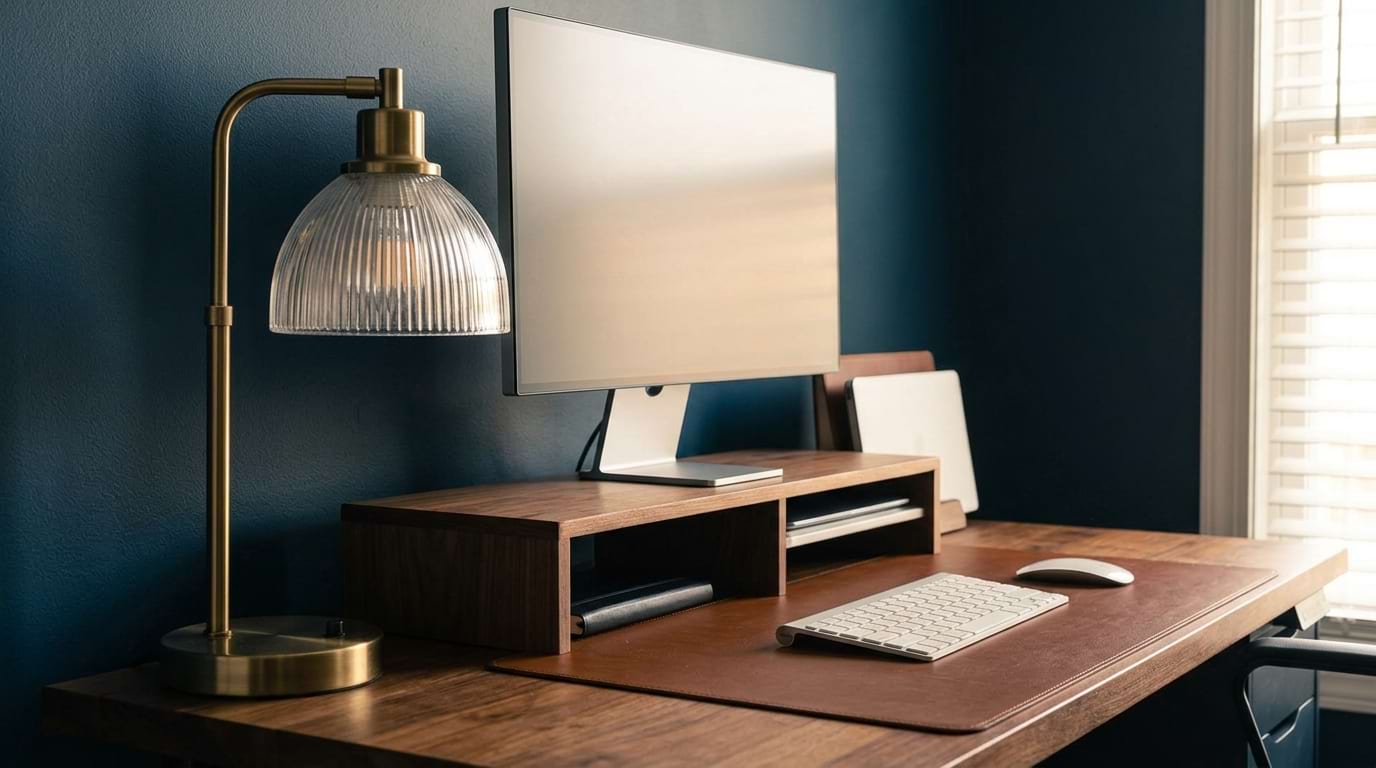
If you’re new to vintage, resist the urge to go all in immediately. This is not the time to replace every piece of furniture with something labeled “circa 1962.”
Instead, think accent pieces.
Great starter vintage items include:
A mid-century side table
An antique mirror
A retro table lamp
A vintage rug
Framed art or photography
These pieces add character without overwhelming your modern foundation. They’re conversation starters, not declarations of historical reenactment.
Pro tip: If someone asks about a piece, that’s usually a sign you’ve nailed it.

The most successful vintage-modern interiors rely on modern elements for structure and vintage elements for soul.
Keep your big-ticket items clean and contemporary:
Sofas
Dining tables
Beds
Storage furniture
Then layer in vintage where it can shine without affecting daily comfort.
A sleek sectional paired with a retro coffee table? Perfect.
A modern dining table surrounded by vintage chairs? Even better.
A streamlined bedroom with a vintage dresser? Chef’s kiss.
This balance keeps your home functional, uncluttered, and future-proof.
Vintage is a broad category. Without some guardrails, things can spiral quickly.
To keep your space cohesive:
Pick one primary era to reference
Allow light overlap, but avoid everything-at-once syndrome
Popular choices include:
Mid-century modern (1940s–60s): clean lines, warm woods
1970s: curves, bold colors, rich textures
Art Deco: glamour, symmetry, metallic accents
You don’t need to be a historian—just avoid mixing too many wildly different styles in the same room. Your home should feel curated, not confused.

One of the biggest advantages vintage pieces bring to modern interiors is texture.
Think:
Solid wood with visible grain
Worn leather
Patinated brass
Handwoven textiles
Slightly imperfect finishes
Modern spaces benefit enormously from these elements. They soften sharp lines and prevent rooms from feeling flat or overly polished.
If your space feels “nice but cold,” texture is almost always the missing ingredient.

If there’s one vintage piece designers consistently rely on, it’s the rug.
A vintage or vintage-style rug:
Anchors modern furniture
Adds color without overwhelming
Hides life better than new rugs (very important)
They work in living rooms, bedrooms, offices—anywhere you want instant depth and visual interest.
Bonus: A slightly faded rug makes everything else around it look more intentional. Even your budget sofa suddenly feels elevated.

Vintage design gives you permission to stop matching everything.
That said, cohesion still matters.
A good way to ensure a great flow:
Repeat finishes at least twice
Mix, but don’t scatter
For example:
Brass vintage lamp + brass cabinet hardware
Dark wood vintage table + dark wood picture frames
Chrome accent + modern lighting with similar tones
This creates rhythm and connection without forcing uniformity.

East Coast homes aren’t always generous with storage, so vintage pieces that work hard are especially valuable.
Look for:
Credenzas
Dressers
Sideboards
Bookcases
These pieces often offer better craftsmanship than modern alternatives—and they age gracefully. A few nicks or scratches? That’s character, not damage.


